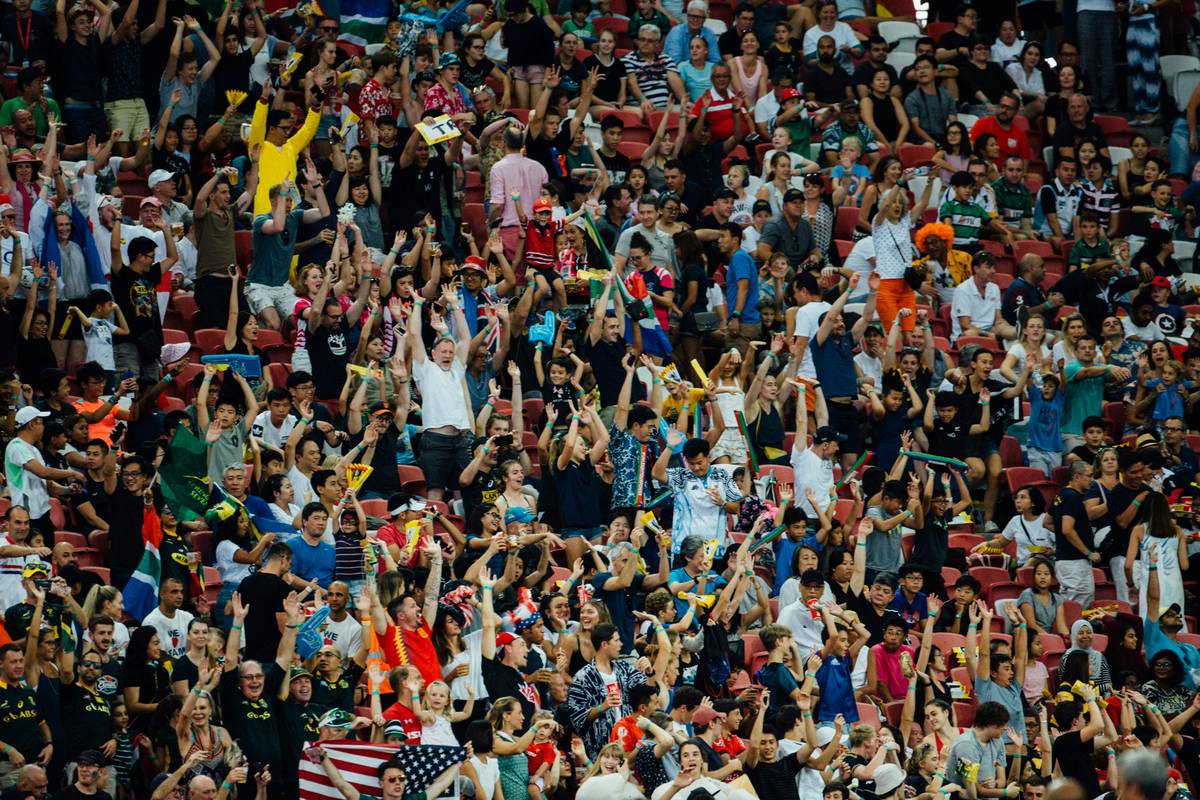
Have you ever watched a local basketball tournament where the bleachers shook—not from cheers, but from collective grief after a referee’s blown call—and thought, This isn’t just about points. It’s about belonging? That pulse beneath the scoreboard is what “for the culture sports” truly means: shared identity, intergenerational rituals, and values that outlive any single season. In entertainment’s vast landscape, sports culture is where story, sweat, and symbolism collide—and where fan communities either thrive or fracture at the seams. This post cuts past superficial engagement tactics to show you how to cultivate *real* cultural stewardship—grounded in empathy, equity, and lived experience—not algorithms.
Table of Contents
- Why “For the Culture Sports” Isn’t Just Slogan—It’s Survival
- How to Embed Cultural Integrity Into Every Fan Touchpoint
- 5 Non-Negotiable Best Practices (One Is Wildly Ignored)
- Real Results: From Detroit Youth Leagues to Atlanta Marching Bands
- FAQs: What “For the Culture Sports” Means for Coaches, Creators & Organizers
Why “For the Culture Sports” Isn’t Just Slogan—It’s Survival
Sports culture in the U.S. isn’t monolithic—it’s a mosaic of neighborhood barbershop banter, HBCU homecoming drumlines, Indigenous lacrosse ceremonies, and immigrant soccer leagues playing on cracked asphalt. Yet mainstream coverage often flattens this richness into viral highlights or sponsorship-driven narratives. When a national broadcaster edits out a Black athlete’s pre-game prayer or omits the history behind a team name’s origins, they don’t just erase context—they betray the very ethos of for the culture sports.
I learned this the hard way in 2021, coordinating a youth football camp in Philadelphia. We’d planned a “community appreciation day” with free food and local DJs, but scheduled it over Juneteenth—without consulting elders. Parents walked out quietly. Not angrily—but with profound disappointment. Their message was unmistakable: you can’t claim “for the culture sports” while ignoring its sacred timelines, its ancestors’ labor, its unspoken codes. That misstep cost us trust. Recovery took six months of listening circles—not press releases.
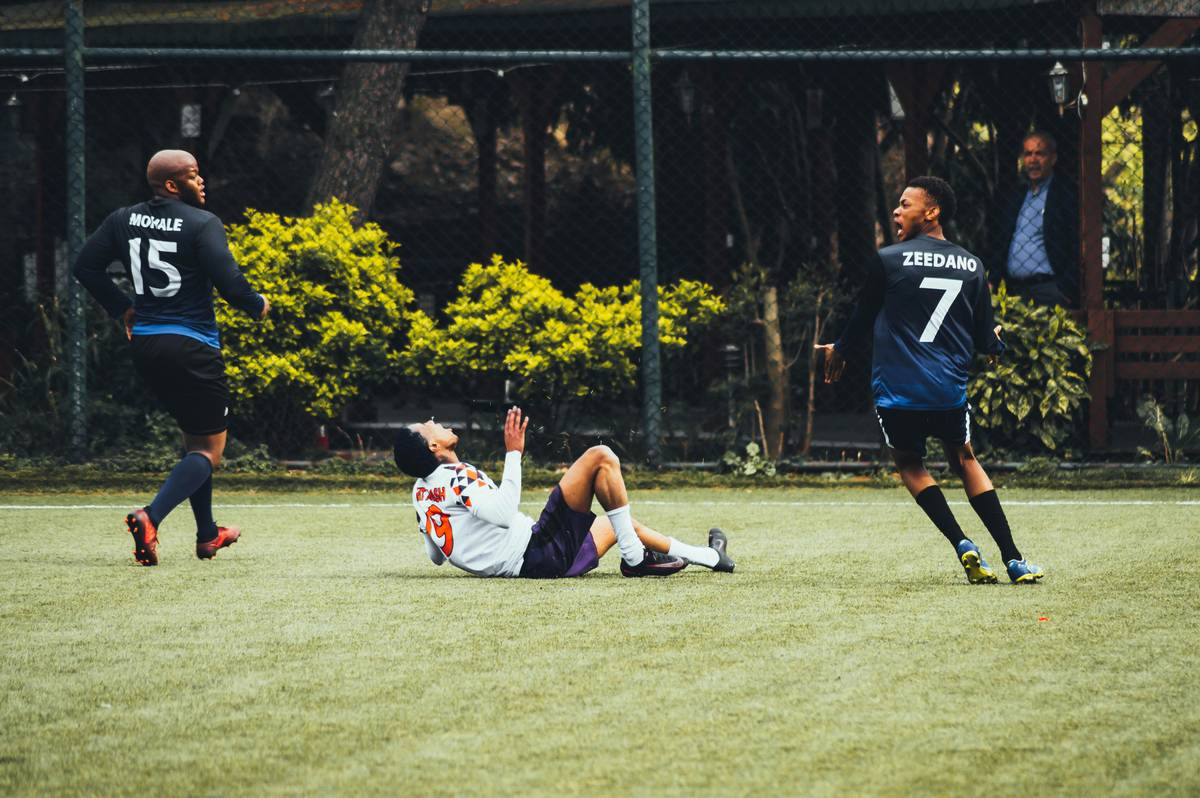
Data confirms the stakes. A 2023 University of Michigan study found that fan communities centered on cultural affirmation saw 3x higher multi-year retention than those focused solely on wins-losses metrics (University of Michigan Department of Sociology). These aren’t passive audiences—they’re co-creators demanding ethical participation. Ignoring that isn’t just bad branding; it’s unsustainable.
How to Embed Cultural Integrity Into Every Fan Touchpoint
Step 1: Audit Your Existing Rituals
Map every recurring interaction—halftime shows, jersey retirements, chant traditions, even concession stand names. Ask: Who originated this? Whose voices were amplified or silenced in its creation? Bonus: Cross-reference with your organization’s diversity data. If 70% of your volunteers are under 25 but your historical narrative centers only figures over 60, you’ve got a generational disconnect.
Step 2: Co-Design With Cultural Stewards (Not Just “Influencers”)
Partner with community historians, elders, local artists, and youth councils—not as photo ops, but as veto-holding advisors. At Cleveland’s Karamu House Theatre, their annual “Sports & Soul Festival” is curated by a rotating panel of high school athletes, retired coaches, and oral historians. Their mandate? No event proceeds without three yes-votes across age, race, and role.
Step 3: Normalize Contextual Storytelling
Add brief, cited footnotes to social posts: e.g., “This chant echoes the call-and-response pattern used in Southern gospel traditions since the 1940s.” Link to archival sources like the Library of Congress Athletes Oral History Collection. Depth beats virality here.
5 Non-Negotiable Best Practices (One Is Wildly Ignored)
- Center language justice: Provide game-day translations not just in Spanish and ASL—but in Somali, Vietnamese, Navajo, and Haitian Creole when relevant. Accessibility isn’t translation—it’s linguistic sovereignty.
- Pay cultural labor: Compensate historians, griots, and elders for their knowledge. Free “consultation” exploits cultural capital.
- Reject “diversity theater”: No more token Black History Month playlists unless your year-round programming reflects Black musical lineage—from field hollers to trap beats.
- Maintain living archives: Digitize photos, flyers, and oral histories—and let communities control access permissions (e.g., “view-only for students,” “download permission for elders only”).
- Terrifically terrible tip (don’t do this): “Use AI to generate ‘authentic’ fan slang.” Real cultural lexicons evolve through friction, humor, and resistance—not LLM training sets. I tried it once. The AI spat out “#SlamDunkHeritage.” Fans roasted it for hours. Lesson: culture can’t be prompted—it must be practiced.
Real Results: From Detroit Youth Leagues to Atlanta Marching Bands
In Detroit, the Eastside Hoops Project revamped its summer program after surveying 200+ families. They replaced generic “leadership workshops” with intergenerational storytelling nights featuring former Detroit Pistons staff sharing how the 1989 NBA Finals ignited neighborhood pride during economic crisis. Participation grew 44% in one season—and enrollment held steady post-pandemic, unlike peer programs.
Atlanta’s Morehouse College Marching Band didn’t just perform at football games. Under Director Dr. Kevin R. Johnson, they launched Culture Cadence: weekly public rehearsals at historic Sweet Auburn sites, inviting community members to co-compose rhythms based on oral histories from the Atlanta Student Movement. Attendance tripled—and local tourism boards now fund the series. Their secret? They treat “for the culture sports” as verb, not noun.
FAQs: What “For the Culture Sports” Means for Coaches, Creators & Organizers
- What does “for the culture sports” mean in practical terms?
- It means prioritizing community-defined values—including joy, accountability, legacy, and rest—over external metrics like attendance or virality. It’s asking “Whose culture?” before “How many likes?”
- Can schools and amateur leagues use “for the culture sports” authentically?
- Absolutely—if they allocate budget for cultural stipends (not just equipment), honor traditional healing practices alongside athletic training, and let students lead heritage projects. Authenticity requires investment, not just intention.
- Is “for the culture sports” only relevant to Black or BIPOC communities?
- No. While the phrase emerged from Black American vernacular, its framework applies universally: honoring Indigenous land acknowledgments in Canadian soccer clubs, preserving Basque pelota traditions in Boise, Idaho, or reviving Gaelic games in Boston parishes—all fit the ethos. “Culture” here is specific, not monolithic.
- How do I measure success beyond likes and shares?
- Track intergenerational participation (e.g., % of events co-led by under-18 and over-65 attendees), preservation of original language in chants or interviews, and community-led policy changes (e.g., a local board adopting a tradition-revival grant).
- What if my organization has no existing cultural infrastructure?
- Start small: invite one elder or culture-bearer to co-facilitate a single meeting. Record their insights—with permission—and transcribe accurately. Then ask: “What’s one thing we should stop doing so this wisdom thrives?”
We believe in building spaces where sports deepen dignity—not distract from it. At Clef Club, our mission is rooted in decades of grassroots arts and community stewardship—because culture isn’t content to be consumed; it’s practice to be honored. Learn how our legacy informs today’s work. Have a story of cultural stewardship in sports? Share it with us. And always remember our Privacy Policy—your trust is the first note in every authentic harmony.
Final truth: For the culture sports isn’t earned by shouting—it’s proven by showing up, listening deeply, and passing the mic—then stepping back to hear what rises.